
Discover how integrating smart glass with smart building systems can revolutionize your space. Enhance comfort, productivity, and sustainability while tackling implementation challenges smart glass Malaysia.
Explore the future impact on architecture and design.
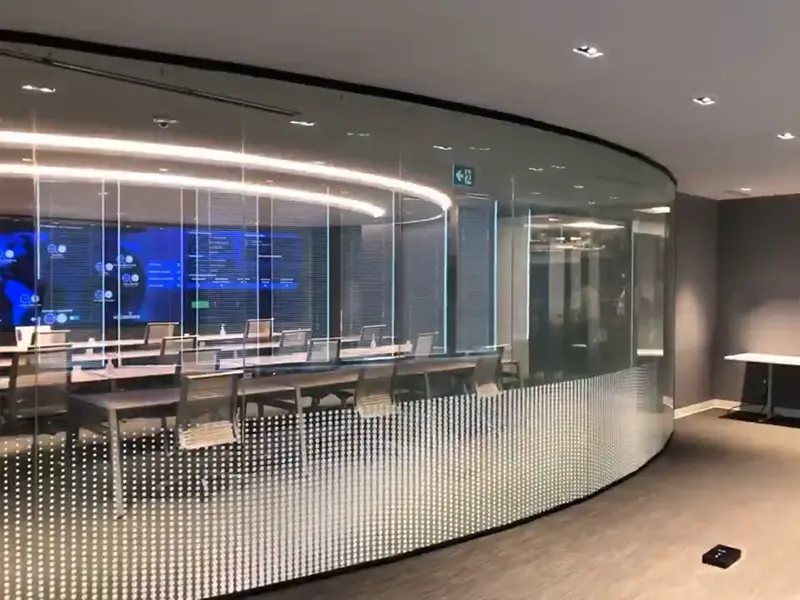
Benefits of Integrating Smart Glass
Integrating smart glass in your building systems offers enhanced energy efficiency and improved natural lighting control. By utilizing smart glass, you can regulate the amount of sunlight entering your space, reducing the need for artificial lighting and lowering energy consumption switchable smart glass. This dynamic technology allows you to adjust the tint of the glass to block out excess heat during hot days while still allowing sufficient light to illuminate the interior.
Additionally, smart glass can enhance the overall comfort of your building by minimizing glare and controlling the amount of heat radiating into the space. This feature not only creates a more pleasant environment for occupants but also contributes to reducing cooling costs during warmer months.
Moreover, the integration of smart glass can provide a sleek and modern aesthetic to your building, enhancing its overall appeal and value. With the ability to seamlessly switch between transparent and opaque states, smart glass offers a versatile solution for privacy and design flexibility. Embracing this innovative technology can transform your building into a more sustainable, efficient, and visually appealing space.
Enhanced Occupant Comfort and Productivity
Enhancing occupant comfort and productivity is crucial when optimizing the benefits of smart glass integration in your building systems. By incorporating smart glass technology, you can create a more comfortable environment for occupants. Smart glass can dynamically adjust its tint to regulate natural light and heat, reducing glare and maintaining a comfortable temperature. This feature not only enhances visual comfort but also minimizes the need for blinds or shades, allowing occupants to enjoy unobstructed views and connection to the outdoors.
Moreover, smart glass contributes to increased productivity among occupants. By optimizing daylight utilization and maintaining a comfortable indoor environment, smart glass helps reduce eye strain and fatigue, leading to improved focus and concentration. Additionally, the ability to control privacy with smart glass enhances confidentiality and creates a conducive space for focused work.
Improved Energy Efficiency and Sustainability
To optimize energy efficiency and sustainability in your building systems, consider the impact of smart glass technology on reducing overall energy consumption. Smart glass can dynamically control the amount of light and heat entering a building, reducing the need for artificial lighting and air conditioning. By adjusting tint levels based on external conditions or user preferences, smart glass helps regulate indoor temperatures, cutting down on HVAC usage. This results in lower energy bills and a decreased carbon footprint for your building.
Additionally, smart glass can harness solar energy to generate electricity, further enhancing your building’s sustainability.
Moreover, the integration of smart glass with building automation systems allows for seamless coordination between lighting, HVAC, and shading controls. This synchronization optimizes energy usage by ensuring that systems operate efficiently and in harmony with each other. By investing in smart glass technology, you not only enhance the energy performance of your building but also contribute to a greener, more sustainable future.

Challenges in Implementing Integration
When considering the integration of smart glass with smart building systems, you may encounter various challenges in achieving seamless coordination and optimal functionality. One significant challenge is the complexity of integrating different technologies from various manufacturers. Ensuring compatibility and smooth communication between smart glass systems, HVAC systems, lighting controls, and other building components can be a daunting task. Additionally, the need for customized programming and configuration to meet specific building requirements adds another layer of complexity.
Another challenge lies in the potential cybersecurity risks associated with interconnected smart systems. With the integration of smart glass and building systems, there’s an increased vulnerability to cyber threats, requiring robust security measures to safeguard sensitive data and building operations.
Moreover, the cost of implementing integrated smart solutions can be a barrier for some building owners. The initial investment required for upgrading to smart glass and integrating it with building systems may deter adoption, despite the long-term energy savings and operational benefits. Overcoming these challenges necessitates careful planning, collaboration between stakeholders, and a thorough understanding of the technology involved.
Future Implications for Architecture and Design
Your architecture and design projects’ future implications with integrated smart glass and smart building systems are significant. The incorporation of smart glass into building designs offers dynamic opportunities for creativity and functionality. Imagine windows that automatically adjust their tint based on sunlight exposure, or glass facades that can display customizable digital patterns. These features not only enhance the aesthetic appeal of structures but also improve energy efficiency by regulating light and heat levels.
Furthermore, the integration of smart building systems with smart glass allows for seamless control and monitoring of various building functions. Imagine a workspace where the glass partitions can switch from transparent to opaque for privacy with a simple voice command, or where the lighting and temperature adjust automatically based on occupancy levels. Such advancements not only elevate the user experience but also contribute to sustainability efforts by optimizing resource usage.
Conclusion
Overall, integrating smart glass with smart building systems offers numerous benefits such as enhanced comfort, increased productivity, improved energy efficiency, and sustainability.
While there are challenges in implementing this integration, the future implications for architecture and design are promising.
By embracing this technology, buildings can become more efficient, environmentally friendly, and enjoyable for occupants.
The integration of smart glass is a step towards creating smarter, more sustainable buildings for the future.
