
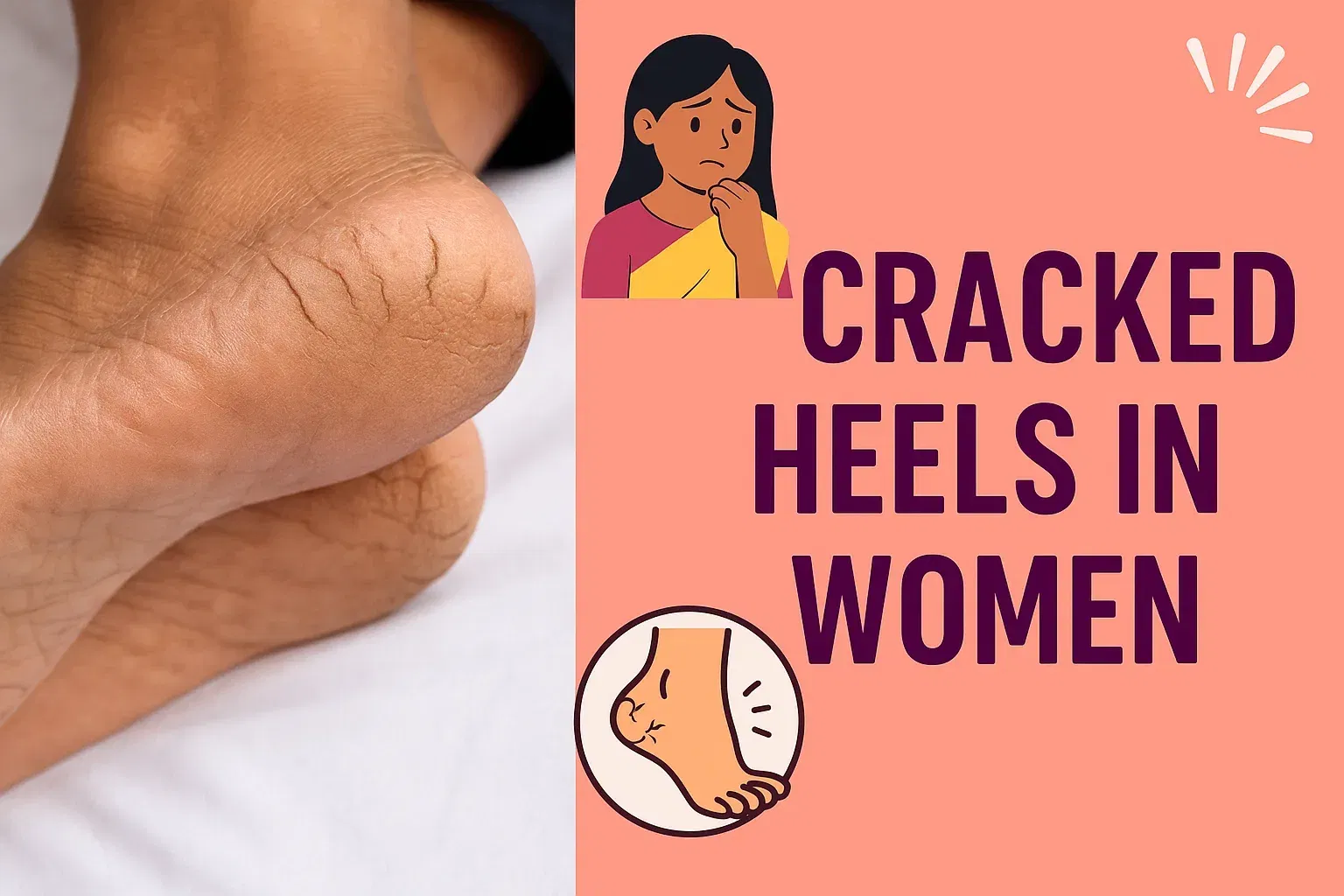
Cracked heels are often due to simple dry skin, footwear, or callus buildup, but can also signal underlying issues when fissures are deep, painful, bleeding, asymmetric, recurrent, or accompanied by numbness, swelling, discharge, or systemic symptoms. Conditions such as diabetes mobile podiatrist for elderly near me, vascular disease, thyroid problems, psoriasis, or fungal infection can worsen healing and increase infection risk. Initial self-care includes moisturizers, exfoliation, and supportive shoes. Further guidance covers when to seek evaluation and targeted treatments.

How to Tell if Cracked Heels Are More Than Dry Skin?
When should cracked heels raise concern beyond routine dryness? Clinicians advise assessment when fissures deepen, bleed, or resist standard emollient care.
Evaluation should note asymmetry, rapid progression People Podiatry, neuropathic signs such as numbness or paresthesia suggesting nerve damage, and systemic symptoms like unexplained weight loss or polyuria.
Persistent malodor, discoloration, or scaling beyond heels may indicate a fungal infection requiring targeted therapy.
Risk factors—diabetes, vascular disease, immunosuppression—warrant prompt professional review.
Simple cuts that fail to heal or recurrent cellulitis necessitate microbiologic assessment and possibly imaging.
Management decisions balance conservative wound care with diagnostic testing to rule out underlying pathology.
Clear documentation of onset, prior treatments, and comorbidities supports freedom to choose appropriate intervention.
Common Non-Serious Causes of Cracked Heels and Quick Fixes
Identify common, non-serious contributors to heel fissures—ambient dryness, prolonged standing, open-heeled footwear, and callus buildup—to guide simple, effective remedies. The tone remains clinical and practical: issues are mechanical or environmental, not systemic. Solutions focus on straightforward self-care to restore comfort and freedom of movement.
- A daily softening routine: soak, gently exfoliate callus buildup, and apply coconut oil to lock in moisture.
- Supportive choices: wear cushioned, closed-back shoes to reduce lateral pressure and prevent new cracks.
- Activity adjustments: limit long standing sessions and use anti-fatigue mats when possible.
- Protective care: use silicone heel cups or thick socks overnight after callus removal to maintain hydration and prevent recurrence.
Medical Conditions That Can Cause or Worsen Heel Fissures
Beyond mechanical and environmental contributors, several medical conditions can predispose to or worsen heel fissures by altering skin integrity, moisture balance, or foot biomechanics. Peripheral neuropathy related to diabetes complications reduces sensation and impairs wound detection, while microvascular disease slows healing and increases infection risk. Hypothyroidism and other thyroid dysfunction decrease sweat and oil production, producing xerotic, fragile skin prone to cracking. Psoriasis and atopic dermatitis cause hyperkeratosis and inflammation that deepen fissures. Obesity and venous insufficiency increase plantar pressure and edema, stretching the heel’s stratum corneum. Certain medications (retinoids, diuretics) can exacerbate dryness.
Recognition of these associations guides targeted management: optimize systemic disease control, restore hydration and barrier function, offload pressure, and monitor for secondary infection to preserve mobility and autonomy.
When to See a Doctor and What to Expect at a Medical Visit
How urgent is medical evaluation for cracked heels depends on signs of complication and the patient’s overall health status. A clinician advises to see doctor if pain, bleeding, spreading redness, fever, or diabetes-related neuropathy occur. Visit expectations include focused history, inspection, and basic tests to identify infection, vascular insufficiency, or dermatologic disease. The clinician explains likely diagnoses and next steps, and documents comorbidities affecting healing.
- Close inspection of deep fissures with surrounding redness and swelling
- Simple sensory testing for neuropathy and pulse check for blood flow
- Photographs and measurements to track healing over time
- Sample collection for culture if purulent discharge is present
Recommendations are pragmatic, preserving autonomy while prioritizing safety.
Effective Treatments and Prevention Routines You Can Start Today
After addressing when to seek medical care and what to expect at a clinical visit, attention shifts to practical treatments and preventive routines that can be implemented at home or in outpatient settings to promote healing and reduce recurrence.
Daily moisturizers with urea or lactic acid should be applied twice daily to restore barrier function.
Regular use of exfoliation tools—pumice, foot files, or gentle mechanical brushes—removes hyperkeratotic tissue when used after soaking.
Protective footwear, cushioned insoles, and breathable socks reduce pressure and dryness.
For fissures, topical occlusives and sterile dressings protect wound edges while awaiting keratinocyte repair.
Blood glucose control, smoking cessation, and weight management address systemic contributors.
When conservative care fails, refer for debridement, topical prescription therapy, or evaluation for neuropathy or vascular insufficiency.
Conclusion
Cracked heels are frequently a localized, manageable issue, yet they can also reflect systemic conditions. Assessment should distinguish simple dryness from infection, neuropathy, vascular disease, endocrine disorders, or medication effects. Initial self-care—moisturizing, debridement, supportive footwear—often suffices, but persistent, painful, bleeding, infected, or bilateral lesions warrant clinical evaluation. Clinicians will assess circulation, glycemic control, neuropathy, and skin integrity to guide targeted treatment and prevent complications, particularly in at-risk populations.
